Group Life Coaching Sessions: I Empower Individuals To Open Their Complete Possible And Accomplish Their Individual And Expert Goals
What Is Life Coaching? Opening Your Prospective

Ever felt like you're standing at a crossroads, map in hand, but unsure which course to take? Or possibly you understand your destination, yet the journey feels overwhelming? This is exactly where the transformative power of life training actions in. It's not treatment, nor is it consulting; rather, it's a dynamic partnership in between you and a trained professional, developed to illuminate your intrinsic strengths and guide you towards your most genuine self.
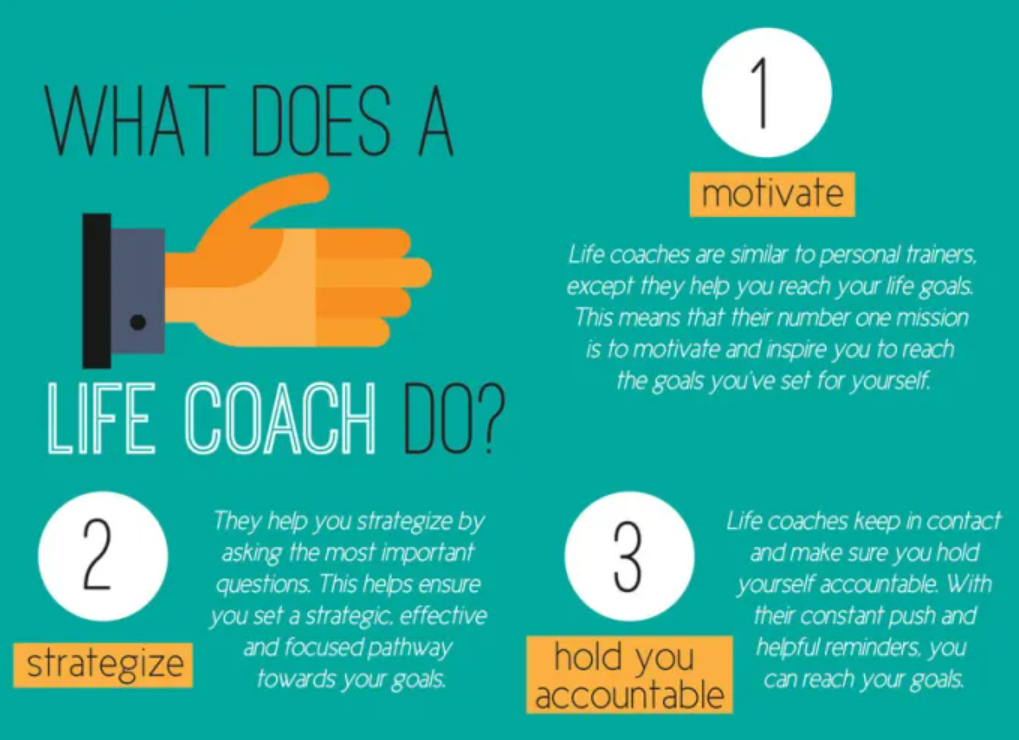
Envision a seasoned mountaineer, not bring you up the peak, however equipping you with the right tools, teaching you vital methods, and cheering you on as you rise. That, in essence, is a life coach. They don't provide responses; rather, they empower you to find your own. Through incisive questioning and active listening, a coach helps you articulate your goals, identify barriers, and devise actionable methods for accomplishing your goals. It's about clarity, responsibility, and eventually, extensive individual growth.
The Core Principles
At its heart, life training is built on several fundamental tenets:
- Client-Centered Technique: The focus is constantly on your special needs, desires, and potential.
- Forward-Moving: While acknowledging the past, the emphasis stays on future possibilities and present actions.
- Empowerment: Coaches believe in your natural capacity for self-discovery and analytical.
- Action-Oriented: The process culminates in concrete actions and quantifiable development.
Think about the classic example of the "aha!" moment. A life coach skillfully helps with these breakthroughs, helping you link dots you may never have actually seen before. It resembles having an individual spotlight, shining straight on your blind spots, exposing chances and solutions that were always there, simply out of focus.
Beyond the Buzzword: Practical Applications
What precisely can life coaching assistance with? The scope is incredibly broad, touching upon various facets of individual and expert existence. Think about it as a catalyst for modification, whether you're facing profession transitions, seeking to enhance relationships, or aiming for higher work-life balance. Maybe you feel stuck, lacking inspiration, or just desire to unlock a greater level of efficiency in particular locations of your life. A coach can be crucial in navigating these complex paths.
For circumstances, one might engage a coach to:
- Define and pursue profession goals.
- Boost interaction abilities within individual and professional spheres.
- Develop methods for time management and productivity.
- Construct confidence and promote a positive mindset.
- Navigate significant life shifts, such as moving or retirement.
It's not about being told what to do; it's about being assisted to see what you can do. The journey of self-discovery, fueled by insightful questioning and unwavering support, is what really defines the essence of what is life coaching.
The Genesis of Guiding Lights
Ever wondered if the idea of an individual guide, someone to help browse life's maze, is a contemporary development? Remarkably, the roots of what we now call life coaching stretch back even more than you might think of. It's not merely an item of the self-help boom; its family tree is surprisingly rich, drawing from diverse traditions. Consider ancient theorists like Socrates, renowned for his technique of questioning to discover much deeper facts within his students. Was he not, in a manner, a prehistoric life coach, assisting people clarify their thoughts and specify their own virtue? His method wasn't about dictating responses however facilitating self-discovery. This fundamental concept of empowering the individual, rather than prescribing solutions, stays a cornerstone of efficient coaching today.
From Athletics to Awakening
The term "coach" itself, as we comprehend it in a developmental capacity, first gained traction in the sporting world. Photo a track and field coach, not just shouting directions, however observing, planning, and pressing an athlete past viewed constraints. This idea of a dedicated private focused exclusively on enhancing another's performance started to leak into other domains. By the 1970s and 80s, the principle began migrating beyond the athletic arena. Timothy Gallwey's influential work, "The Inner Game of Tennis," brilliantly showed how overcoming internal obstacles-- the mental chatter and insecurity-- was often more crucial than perfecting external strategy. This was an essential minute, shifting the focus from simply technical proficiency to the mental underpinnings of efficiency and well-being. It was a revelation: the true challenger frequently resided within.
Where does the typical person experience a stumbling block in understanding this evolution? Typically, it's the misunderstanding that coaching is merely glorified treatment or consulting. While there can be overlaps, their core intends diverge. Therapy frequently explores previous traumas and healing, while speaking with provides expert guidance on particular problems. Coaching, nevertheless, is positive, concentrating on opening possible and achieving future goals. It's about building a bridge from where you are to where you want to be. The real sticking point for lots of is recognizing that the greatest barrier to growth isn't an absence of understanding, however a lack of clarity and constant action. A coach serves as a driver for that clearness and responsibility.
- Early philosophical dialogue as a precursor to self-discovery strategies.
- The evolution of the "coach" function from sports to personal development.
- The influence of "The Inner Video game" philosophy on unlocking inner potential.
- Distinguishing life training from therapy and consulting.
Think about the story of a recently established entrepreneur, overflowing with concepts but paralyzed by indecision. They may invest months, even years, circling the same problems, unable to release. A therapist might check out the roots of their worry, an expert might offer a business plan, but a coach would, through targeted questioning, assist them identify their core values, define their ultimate vision, and after that break down the monumental task into actionable, manageable actions. This isn't about providing responses; it's about helping the private find their own answers and, crucially, dedicate to them. The magic lies in the structured assistance and objective viewpoint, a mirror reflecting abilities the specific might not yet fully view. It has to do with transforming potential into concrete development.
Training Approaches: A Deeper Dive
Ever seemed like you're gazing at a fork in the roadway, however all the indications are in a language you do not comprehend? That's typically where people discover themselves before engaging with a life coach. The large variety of coaching methods can seem like a labyrinth, leaving numerous questioning, "Which path is right for me?" It's not about discovering a magic bullet, however rather comprehending the nuanced approaches that coaches employ to unlock your potential. Consider the GROW model, an acronym for Objective, Truth, Options, and Will. It's a foundational structure, deceptively basic yet profoundly efficient. A coach might ask, "What specifically do you desire to attain?" This isn't just a question; it's an invite to clarity, a mild nudge towards specifying your location amidst the fog of uncertainty.
Beyond the well-trodden courses, there's an interesting variety of specialized methodologies. Take pleased questions, for circumstances. Rather of house on what's wrong, this approach magnifies your strengths and previous successes. Think of a spotlight illuminating your fundamental abilities, transforming perceived deficits into springboards for development. Or think about solution-focused training, which, as its name recommends, nos in on structure options rather than dissecting issues. It's like being handed a blueprint for your wanted future, instead of an autopsy report of your past. A common mistake individuals make is seeking a coach who guarantees a quick repair. Real transformation, nevertheless, is a journey, not a sprint. It requires a method that resonates with your special learning style and character.
Navigating the Methodological Labyrinth
- Cognitive Behavioral Coaching (CBC): This approach assists you determine and reframe limiting beliefs. Believe of it as recalibrating your psychological compass.
- Neuro-Linguistic Programs (NLP): NLP explores how your language patterns affect your ideas and habits, offering tools to reprogram your internal discussion.
- Transformational Coaching: This surpasses surface-level objectives, intending for profound shifts in viewpoint and being. It has to do with becoming a brand-new variation of yourself.

The appeal lies in the coach's ability to seamlessly blend these methods, producing a bespoke training experience. It's not about strictly sticking to one method, however rather a fluid dance between them, directed by your progressing requirements. For example, a client struggling with procrastination might gain from a dosage of CBC to address underlying insecurity, followed by NLP strategies to develop brand-new, productive practices. The real proficiency of a life coach isn't feeling in one's bones these approaches, but understanding when and how to apply them, similar to a knowledgeable chef understanding which spice to include for the perfect taste profile. This discerning application is what separates an excellent coach from a truly transformative one, leading you not simply to your goal, however to a much deeper understanding of your own incredible capacity.
Ethical Considerations: Browsing the Training Compass
Ever seemed like you're adrift, a ship without a rudder, despite having all the maps? That's typically the unspoken battle many face when considering a life coach. check here The attraction of change is effective, yet a whisper of apprehension typically accompanies it: "Can I genuinely trust this person with my inmost aspirations and vulnerabilities?" This isn't merely about discovering somebody with a "good vibe"; it's about the bedrock of ethical practice. A coach holds a special position, privy to your goals, your past, and your present circumstances. Without robust ethical borders, that trust, once broken, shatters like glass.
Unmasking Prospective Mistakes
The primary area of issue for numerous prospective clients revolves around the coach's scope of practice. Imagine you're looking for to boost your career, but your coach, with excellent objectives but misdirected passion, starts delving into unsettled childhood trauma. This isn't their lane. A professional coach operates within defined borders, concentrating on forward movement and goal achievement, not restorative intervention. The line in between training and therapy, while in some cases nuanced, is crucial. A proficient coach recognizes when a customer's requirements extend beyond their expertise and supplies suitable referrals, similar to a skilled captain understands when to require a tugboat. This discernment is a trademark of ethical conduct.
- Confidentiality is Paramount: What's shared in the training container remains in the coaching container. Duration. A breach here isn't simply unprofessional; it's a profound betrayal of trust.
- Avoiding Disputes of Interest: Does your coach also offer you supplements or investment chances? This blurring of lines can jeopardize neutrality and produce undue pressure.
- Setting Clear Expectations: From the beginning, a clear understanding of the coaching procedure, fees, and what constitutes success must be established. Not a surprises.
The Art of Ethical Engagement
So, how do you recognize the fairly sound from the possibly problematic? Ask incisive concerns. Ask about their coach training and accreditations. While not a foolproof assurance, recognized programs typically embed strong ethical structures. Think about the "red flag" of pledges that sound too excellent to be true. "I ensure you'll double your income in 3 months!" may be a marketing hook, however it raises ethical eyebrows. An authentic coach empowers you, not promises magic. They comprehend that real growth is a journey, not a location reached by a faster way. The training relationship is a sacred area, built on a foundation of stability and mutual regard. Look for a coach who embodies these concepts, and your journey of self-discovery will be not only transformative but likewise fairly protected.